Best Korean Restaurant Desserts
🍨 Korean Restaurant Desserts Korean restaurant desserts are rarely loud, dramatic, or oversized—and that’s exactly why they work so well. In a cuisine known for intense flavors, sizzling grills, crispy fried chicken, fermented depth, and spicy heat, dessert isn’t meant to compete. Instead, it plays a quiet but essential role: bringing balance back to the…


🍨 Korean Restaurant Desserts
Korean restaurant desserts are rarely loud, dramatic, or oversized—and that’s exactly why they work so well. In a cuisine known for intense flavors, sizzling grills, crispy fried chicken, fermented depth, and spicy heat, dessert isn’t meant to compete. Instead, it plays a quiet but essential role: bringing balance back to the table.
Across Korean restaurants in the United States, desserts are designed to soothe, not overwhelm. They come after meals that are rich, filling, and layered, offering warmth, softness, and subtle sweetness. Whether it’s a pair of cinnamon-dusted donuts, a scoop of ice cream, or a chewy bite of mochi, Korean restaurant desserts understand one thing clearly—the meal should end comfortably.
The Philosophy Behind Korean Restaurant Desserts
In many Western dining traditions, dessert is the grand finale. In Korean dining, it’s more like a closing gesture. The goal isn’t indulgence; it’s completion.
Korean desserts are shaped by a few core ideas:
-
Balance over excess
-
Texture over decoration
-
Comfort over complexity
After spicy stews, fried foods, or grilled meats, the body needs calm. Korean restaurant desserts deliver that calm without asking for much attention.
This philosophy is especially noticeable in Korean-American restaurants, where dessert menus are often short but intentional.


Korean Donuts: Warm, Familiar, and Perfectly Restrained
One of the most common desserts found in Korean restaurants—particularly Korean fried chicken spots and casual dining chains—is the Korean-style donut.
These donuts are not oversized pastries covered in glaze or filling. Instead, they are:
-
Lightly fried
-
Soft on the inside
-
Coated with cinnamon sugar or light sweetness
-
Served warm
-
Often paired with a simple cream or milk-based dip
The portion is usually small—sometimes just two donuts—and that’s intentional. After a heavy meal, a small portion feels thoughtful rather than excessive.
The warmth of the donut provides comfort, while the mild sweetness gently settles the palate. The cream dip adds just enough richness without tipping into heaviness. It’s a dessert that doesn’t demand focus, but always feels welcome.
For many diners, Korean donuts become a habit rather than a treat—something you add to the order because it reliably ends the meal on the right note.
Why Korean Desserts Work So Well After Spicy Food
Korean cuisine often leans into heat. Gochujang-based sauces, chili flakes, spicy broths, and fiery fried chicken are common across menus. Ending a meal like that requires careful contrast.
Korean restaurant desserts succeed because they:
-
Cool lingering spice
-
Replace crunch with softness
-
Introduce sweetness without sugar overload
Instead of shocking your palate again, they help it relax.
A warm donut after spicy wings, or a scoop of ice cream after kimchi stew, feels almost therapeutic. The dessert doesn’t erase the spice—it softens it, making the entire meal feel intentional from start to finish.
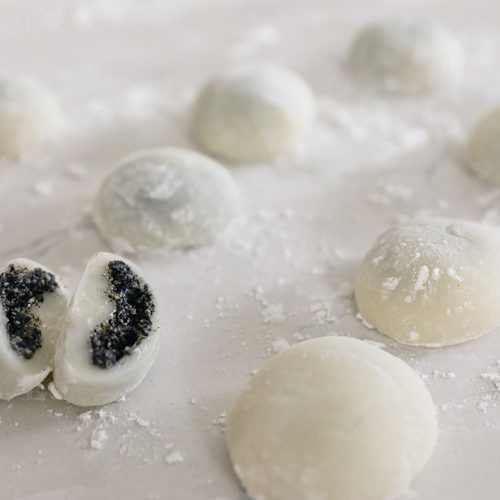

Mochi Ice Cream: Texture Meets Temperature
Mochi ice cream has become a staple dessert at many Korean restaurants in the U.S. While it originated in Japanese cuisine, it fits naturally into Korean dessert menus because of its balance and texture.
What makes mochi ice cream so appealing:
-
Soft, chewy exterior
-
Cold, creamy center
-
Controlled portion size
-
Familiar flavors
After hot, sizzling dishes, the temperature contrast feels refreshing. The chewiness adds interest without heaviness, and the sweetness is usually mild.
Mochi works especially well when diners want something playful but not filling. It’s common to share, making it a social dessert rather than an indulgent one.
Ice Cream: Simple, Reliable, and Refreshing
Ice cream may seem basic, but in Korean restaurants, that simplicity is its strength. Often offered in vanilla or light flavors, ice cream acts as a neutral reset.
Why ice cream remains popular:
-
Familiar and comforting
-
Refreshing after spice
-
Easy to digest
-
Doesn’t extend the meal unnecessarily
In Korean dining, ice cream is less about excitement and more about closure. It’s there to cool things down and let the flavors fade gently.

Dessert as a Natural Extension of the Meal
One of the most interesting things about Korean restaurant desserts is how seamlessly they fit into the dining experience. They don’t feel like a separate course—they feel like the final step.
After:
-
Fried chicken → warm donuts or ice cream
-
Rice bowls → small, soft desserts
-
Grilled meats → chewy or cold textures
The dessert choice often mirrors what came before it, completing the rhythm of the meal.
This is why many Korean diners don’t feel obligated to order dessert—but when they do, it always feels right.
Korean Restaurant Desserts in the United States
As Korean food has grown in popularity across the U.S., dessert traditions have traveled with it. Korean restaurants in cities like Los Angeles, New York, Annandale (Virginia), Dallas, Atlanta, Chicago, and Seattle often feature similar dessert menus.
You’ll commonly find:
-
Korean donuts at fried chicken spots
-
Ice cream at casual dining restaurants
-
Mochi at Korean-American fusion eateries
Rather than expanding dessert menus endlessly, many restaurants stick to what works. Consistency matters more than variety.
How to Choose the Right Dessert After a Korean Meal
If you’re unsure what to order, a simple approach helps:
| If Your Meal Was… | Choose This Dessert |
|---|---|
| Very spicy | Ice cream or cream-based dessert |
| Fried or heavy | Warm donut |
| Rice-focused | Small, warm sweet |
| Extremely filling | Share or skip dessert |
Korean desserts are forgiving. They don’t punish you for ordering them when you’re already full.
Why Less Is More in Korean Desserts
What makes Korean restaurant desserts memorable isn’t innovation—it’s restraint. They don’t chase trends or overload plates. Instead, they offer something reliable, comforting, and familiar.
That restraint is intentional:
-
Smaller portions respect appetite
-
Mild sweetness avoids fatigue
-
Soft textures bring calm
In a world of extravagant desserts, Korean restaurant sweets feel refreshingly human.
Final Thoughts
Korean restaurant desserts aren’t meant to impress—they’re meant to complete. A warm donut, a scoop of ice cream, or a bite of mochi gently closes the door on a meal filled with bold flavors and textures.
They leave you feeling settled rather than stuffed, satisfied rather than overwhelmed. And that quiet ending is what makes Korean dining feel so thoughtful from the first bite to the last.
Sometimes, the best desserts are the ones that don’t ask for attention—only appreciation.
Related Bonchon guides
- Bonchon desserts and Korean donuts – taste, price and portion
- Best Bonchon menu items – what to order first
- Bonchon Korean fried chicken guide – chicken, sauces and calories
- Bonchon coupons and deals – ways to save on every order
- Bonchon menu and prices – see every category with current prices
- Best Korean Chicken Restaurant Near Me – Bonchon Menu & Prices
- Best Korean Tacos In The USA – 2026 Menu & Locations
- Best Korean Food Menu Items To Try In 2026 At Bonchon
- All Bonchon guides