
Bonchon Main Dishes (Full Guide)
Not everything at Bonchon has to be fried chicken. These aren’t the sides or casual bites you snack on while waiting; they’re full-sized, sauce-packed, and built around solid bases like rice or noodles.
Bonchon’s main dishes give you options beyond the crisp and crunch of their chicken. Most meals come with jasmine rice, glass noodles, or thick udon, and the proteins include beef bulgogi, spicy chicken, or seafood. You can also mix in eggs, cheese, or vegetables depending on what you’re going for.
This guide includes everything you need to know about each main dish: what’s in it, how it tastes, calories, price range, and when to pick which. Whether you want something light like japchae or a spicy overload like buldak, it’s all here; straightforward and ready to help you order smarter.
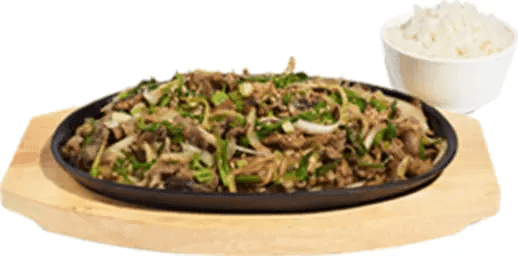
Bulgogi
$18.35
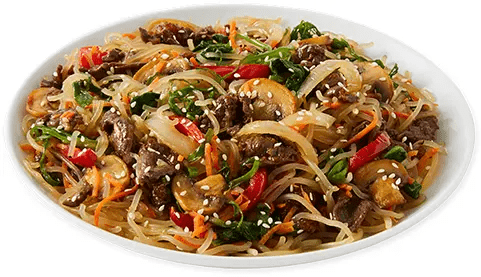
Japchae
$13.75
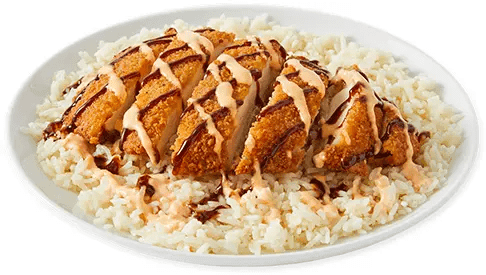
Chicken Katsu
$12.95
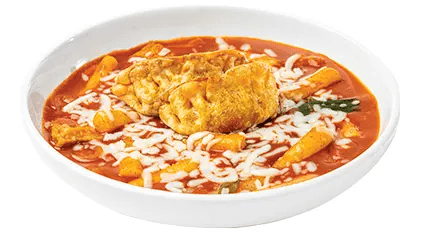
Tteokbokki
$12.95

Buldak
$15.95
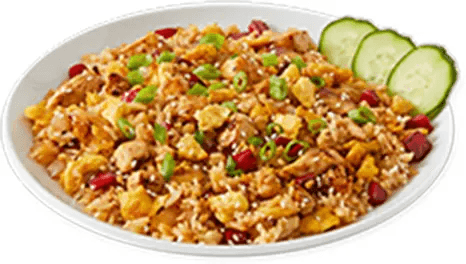
House Fried Rice
Plain: $11.95
Spicy
Chicken: $12.95
Soy Garlic
Chicken: $12.95
Kimchi Pork
Belly: $13.95
Bulgogi: $13.95
Seafood: $13.95
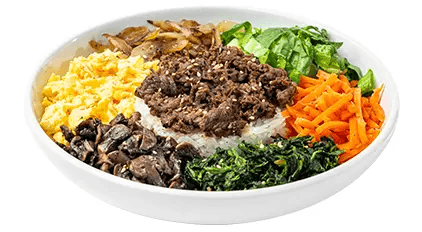
Bibimbap
Plain: $12.95
Tofu: $13.45
Spicy
Chicken: $14.95
Soy Garlic
Chicken: $13.95
Bulgogi: $13.95
Seafood: $13.95
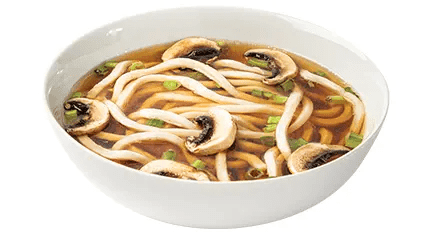
Udon Noodle Soup
Plain: $10.99
Fried
Egg: $11.25
Bulgogi: $12.35
Seafood: $12.35
Bonchon Main Dish Menu Overview
Bonchon’s main dish section steps away from fried chicken and heads into proper Korean-style meals. These aren’t side orders or quick snacks; they’re full, plated meals that mix comfort, spice, and texture. Most dishes have a base of either rice or noodles, and then you choose the protein or flavor type that goes on top. From stir-fried beef to cheesy chicken and spicy rice cakes, the variety covers both mild and bold preferences.
What makes these stand out is how filling they are without going overboard. Some come with a fried egg, some with melted cheese, and others with tender bulgogi or seafood toppings. This section is great when you want something warm and well-balanced that doesn’t rely on a deep-fried crunch to taste good.
Price and Calories Table (Main Dishes)
When it comes to choosing a main dish at Bonchon, knowing the calorie range and price can help you make a smarter pick. Most of these meals come with protein options like bulgogi, chicken, or seafood, and that directly affects both the portion size and the flavor. Some dishes like fried rice or bibimbap offer more variety, while others like buldak or tteokbokki are more fixed but deliver stronger spice or richer textures.
Here’s a full breakdown of Bonchon’s main dishes, listed with their prices and calorie ranges. This chart includes all the protein variations where applicable, and it’s fully formatted so you can paste it directly into Google Docs.
|
Dish |
Protein Option |
Calories |
Price |
|
Bulgogi |
Beef (only) |
1369 |
$18.35 |
|
Japchae |
With Bulgogi |
906 |
$13.75 |
|
Chicken Katsu |
Fried Chicken |
1319 |
$12.95 |
|
Buldak |
Spicy Chicken |
2610 |
$15.95 |
|
Tteokbokki |
Fixed toppings |
980 |
$12.95 |
|
House Fried Rice |
Plain |
961 |
$11.45 |
|
Spicy Chicken |
1280–1320 |
$12.95 |
|
|
Soy Garlic Chicken |
1280–1320 |
$12.95 |
|
|
Kimchi Pork Belly |
1400–1480 |
$13.95 |
|
|
Bulgogi |
1380–1480 |
$13.95 |
|
|
Seafood |
1380–1480 |
$13.95 |
|
|
Bibimbap |
Plain |
401–450 |
$12.95 |
|
Tofu |
420–470 |
$13.45 |
|
|
Spicy Chicken |
580–628 |
$14.95 |
|
|
Soy Garlic Chicken |
580–628 |
$14.95 |
|
|
Bulgogi |
610–628 |
$15.95 |
|
|
Seafood |
610–628 |
$15.95 |
|
|
Udon Soup |
Plain |
428–450 |
$10.99 |
|
Fried Egg |
450–490 |
$11.25 |
|
|
Bulgogi |
550–600 |
$12.35 |
|
|
Seafood |
550–655 |
$12.35 |
Bulgogi
Whenever I’m skipping the fried section at Bonchon, I usually end up with the bulgogi. It’s more than just a beef plate; it feels like a full, home-cooked meal. The ingredients aren’t complicated, but they come together in a way that hits every time. You’ve got sweet-savory flavors, plenty of tender meat, and a solid portion of rice to soak it all up.
Classic Korean Beef Dish
Bulgogi at Bonchon is made using USDA select beef, sliced thin and marinated for that signature sweet-salty blend. It’s cooked with mushrooms, scallions, onions, and sesame seeds, so every bite has a bit of everything. The portion is generous, and it always comes with a side of steamed white rice, which ties the dish together.
The full meal lands at 1369 calories and is priced at $18.35. That might sound a bit on the heavier side, but it doesn’t feel greasy at all. It’s flavorful but clean, and I’ve never felt weighed down after eating it.
If you’re new to Korean flavors or just want something hearty without the heat, bulgogi is a good starting point. It’s filling, well-balanced, and easy to enjoy with no extra sauces or sides needed.
Japchae
It’s one of those dishes that manages to feel both light and comforting at the same time. The glass noodles have a soft chew to them, and the vegetables still keep a slight crunch, which makes the whole dish feel fresh. It’s stir-fried, but not oily at all, and the flavor leans toward slightly sweet rather than spicy.
Glass Noodle Stir Fry
Japchae is made with Korean glass noodles, which are naturally gluten-free and have a soft, stretchy bite. The noodles are tossed in Bonchon’s soy garlic sauce and stir-fried with red bell pepper, carrots, onions, spinach, mushrooms, and pieces of marinated bulgogi. Every forkful gives a bit of sweet, savory, and earthy flavor all at once.
The whole bowl stays light, even though it’s packed with ingredients. It doesn’t drip oil, and the vegetables keep their texture. If you’re watching your meal size or want something that feels more like a home-cooked plate, japchae is one of the better picks. It’s also good for anyone trying Korean food for the first time without diving straight into bold or spicy flavors.
Chicken Katsu
It’s a crispy, breaded chicken cutlet laid over steamed white rice, with a side of coleslaw to balance the crunch. The sauces; katsu and spicy mayo; sit on top but never make the crust soggy.
Breaded Chicken with Sauce Combo
This dish comes with a thick, golden-brown chicken cutlet that’s breaded and fried until the edges crack when you cut into it. It’s topped with a drizzle of katsu sauce and a bit of spicy mayo. The combo adds flavor without overpowering the crispiness. The rice underneath soaks up just enough of the sauce to make every bite taste complete.
On the side, there’s coleslaw; cold, crunchy, and slightly creamy. It cuts through the warmth and gives the meal some balance. Despite the spicy mayo, the overall flavor is pretty mild, unless you add extra heat. That’s why it works so well for kids or anyone who doesn’t want too much spice. The texture is the star here: crispy on the outside, juicy on the inside, and just the right amount of softness from the rice.
Buldak
It’s spicy, bold, and built for people who can handle some fire. What makes it so good is the balance of spicy chicken, chewy rice cakes, and a generous layer of mozzarella on top that melts right into everything. You also get a side of white rice to cool things down between bites, but let’s be real; it only helps so much.
High Heat Spicy Chicken
The chicken is stir-fried in a thick hot pepper sauce that hits you from the first bite. It’s not the kind of spice that sneaks up; it lands hard and builds fast. Mixed in are Korean rice cakes, which are dense and chewy, almost like pasta but heavier. They soak up all that spicy sauce, and the texture makes each bite feel filling. On top, melted mozzarella adds a creamy touch to balance the fire. You’ll also taste onions and scallions, giving it some sweetness and crunch under the heat.
The rice doesn’t change the flavor much, but it helps cool your mouth between bites. This dish is rich in moisture, thanks to the sauce and cheese, and the texture of the rice cakes makes it one of the more unique mains on the menu. If you like spicy food and want a dish that actually feels like a full meal, this one’s worth the burn.
Tteokbokki
It’s a bowl of chewy rice cakes simmered in a spicy Korean broth, and it never disappoints. This isn’t just a side; it holds its own as a full meal, especially with how filling it is. The broth has a strong chili kick, but it’s not just about the heat. There’s melted mozzarella on top and fish cakes inside, and that combo makes each bite rich and layered.
Spicy Rice Cake Bowl
The rice cakes are the main attraction; thick, chewy, and soft at the same time. They soak in all the flavor from the spicy broth, making every bite taste bold. Bonchon adds fish cakes to the mix, which are soft and slightly salty, working well with the broth’s spice. On top, there’s a layer of mozzarella cheese that melts into the sauce, giving it a creamy finish without making it too heavy.
You’ll also find vegetable potstickers mixed in. They absorb some of the broth and become extra soft, almost like dumplings. The portion is big enough to make you full without needing anything else. If you like chewy textures and spicy flavors, this bowl checks every box.
House Fried Rice
Bonchon’s House Fried Rice isn’t flashy, but it hits the spot every time. The base is jasmine rice, stir-fried to stay soft without turning mushy or oily. Each serving comes topped with a fried egg, and you can pick from a list of proteins that completely change the vibe of the dish. It’s a solid choice when you want something warm, flavorful, and easy to eat without diving into heavier mains or fried chicken. It works just as well on its own or alongside a smaller appetizer.
Whether I’m in the mood for spicy, sweet, or savory, there’s always a protein choice that fits.
Stir-Fried Jasmine Rice
This dish always starts with lightly seasoned jasmine rice, cooked just enough to stay moist. It’s not greasy or overly salty, which gives it room to play well with all the toppings and proteins. The fried egg on top adds creaminess when you break the yolk and mix it in, giving each bite a richer taste.
Bonchon tosses in a mix of vegetables like red bell peppers, scallions, and onions, so you’re not just eating rice and meat. It feels balanced, not heavy.
For a little kick, spicy chicken does the job. This dish also pairs nicely with extra soy garlic sauce or a bit of spicy mayo on the side.
Bibimbap
Bibimbap is one of Bonchon’s most balanced meals. It’s a rice bowl that comes layered with sautéed vegetables, scrambled egg, and your choice of protein. Everything’s served warm in a deep bowl, and you’re supposed to stir it all together before eating. The flavors aren’t complicated, but they mix well; nothing gets lost. If you’re someone who likes texture, color, and variety in a single dish, this is a good one to go for.
Both pack enough flavor to carry the rest of the bowl without needing extra sauce.
Layered Korean Bowl
Every bowl of bibimbap starts with white rice and a set of colorful toppings. You get scrambled egg, carrots, mushrooms, onions, spinach, and lettuce, all lightly sautéed so they stay crisp but not raw. The veggies are layered by section, not mixed, so each bite can be different depending on how you stir it.
You can go with plain or tofu for a lighter version, or step it up with spicy chicken or bulgogi. It’s not too greasy, and it fills you up without being heavy.
Udon Noodle Soup
It comes in a deep bowl filled with thick wheat noodles floating in a savory broth. The base is flavored with mushrooms and scallions, which give it a soft, earthy aroma. This isn’t one of those soups where the noodles fall apart after five minutes. The udon stays springy even at the bottom of the bowl.
You can order it plain or add a topping like a fried egg, bulgogi, or seafood. Each one brings something different to the bowl, and all of them work. The soup portion is bigger than it looks too; one bowl is enough for lunch or dinner on its own.
Warm, Brothy Noodle Dish
The broth is what makes this dish. It’s rich but not greasy, with a deep flavor that comes from mushrooms and green onions. It doesn’t overpower the toppings or the noodles; it just ties everything together. The noodles are thick and soft, with a bit of bounce that holds up even if you’re a slow eater.
The fried egg topping adds creaminess when it mixes into the broth. Udon soup might seem simple, but with the right add-ons, it turns into a full meal that feels nourishing without being heavy.
Frequently Asked Questions (Main Dishes)
If you’re browsing Bonchon’s main dishes for the first time or just trying to switch things up, a few common questions pop up. These meals are different from fried chicken; they’re built around rice, noodles, and heavier proteins. Here’s what people usually ask, along with clear answers that’ll help you order smarter.
Are main dishes available all day?
Yes, you can order any of Bonchon’s main dishes during their full operating hours. Whether it’s lunch, dinner, or anything in between, these meals are always on the menu.
Can I switch proteins in any dish?
Some dishes like Bibimbap and Fried Rice let you pick from several protein options including bulgogi, spicy chicken, seafood, and tofu. Others like Bulgogi or Buldak have fixed proteins and can’t be swapped.
Are noodle dishes vegetarian?
Not by default. Japchae includes bulgogi and Udon Soup usually comes with options like bulgogi or seafood. You can ask if a plain or tofu version is available at your location, but it’s best to confirm in person.
What’s the least spicy main option?
Chicken Katsu is the mildest choice. It comes with a savory katsu sauce and optional spicy mayo on the side, but none of the heat is overwhelming.
Can I get a sauce on the side?
Yes, most Bonchon locations let you request sauces like soy garlic or spicy mayo on the side. It’s a good idea if you want more control over the flavor or don’t want anything too strong.
Final Thoughts on Bonchon Main Dishes
Bonchon’s main dishes aren’t just add-ons; they hold their own. If you’re trying Korean food for the first time, Bulgogi is a safe, satisfying place to start. It’s sweet, savory, and not too spicy. For something comforting and warm, Udon Noodle Soup or Bibimbap offers both flavor and balance.
Every dish here is built to be complete. You don’t need wings or starters with them; but if you want to add something, seasoned fries or shrimp shumai go surprisingly well with Japchae or House Fried Rice. Tteokbokki and Buldak are heavier, so lighter sides like edamame or coleslaw help keep the meal balanced.
If you’re still unsure, the best move is to ask for Half & Half sauces where possible or mix mains with familiar starters. The Bonchon menu has more than just fried chicken, and this section proves it. Scroll the full menu and try a combo you haven’t had before; you might skip the wings next time.