
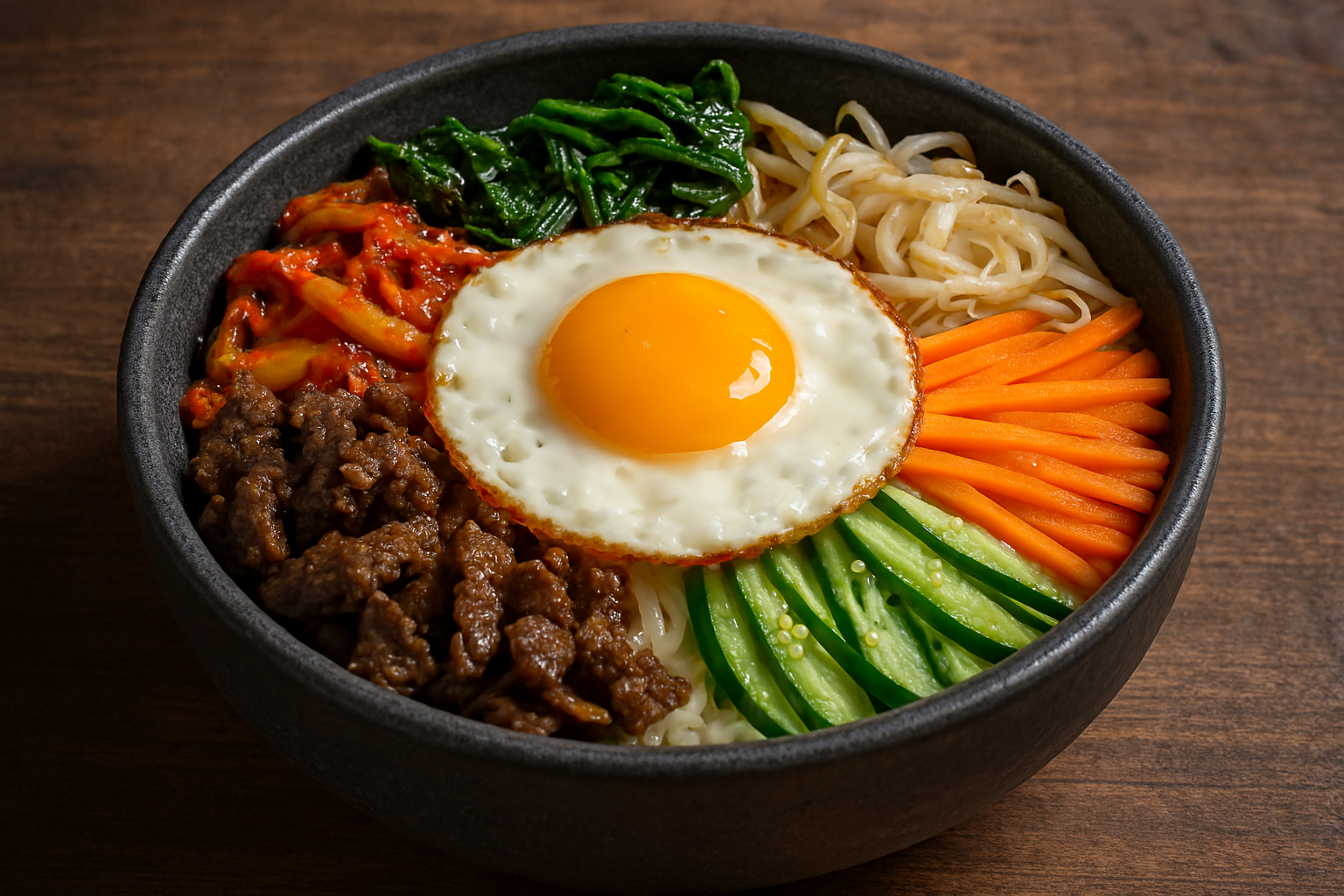
Top Bibimbap Bowls – Ingredients, Types & How to Enjoy
Top Bibimbap Bowls – Complete Guide to This Korean Favorite Introduction Top Bibimbap bowls have become one of the most loved Korean dishes worldwide. Known for their vibrant presentation and well-balanced ingredients, these bowls provide a complete meal in a single serving. With rice, vegetables, protein, and sauce combined, every bite feels both satisfying and…


Top Bibimbap Bowls – Complete Guide to This Korean Favorite
Introduction
Top Bibimbap bowls have become one of the most loved Korean dishes worldwide. Known for their vibrant presentation and well-balanced ingredients, these bowls provide a complete meal in a single serving. With rice, vegetables, protein, and sauce combined, every bite feels both satisfying and nourishing.
Many people see Bibimbap as just a rice bowl, but in reality, it represents balance, variety, and thoughtful preparation. Whether you are trying Korean food for the first time or looking for a healthier meal option, Bibimbap bowls are often a top recommendation.
This article explains what Bibimbap bowls are, what ingredients they include, the most popular types, and why they are considered one of the best Korean comfort foods. The goal is to give clear, useful information in a simple and professional way.
What Are Bibimbap Bowls?
Bibimbap is a traditional Korean dish that literally means “mixed rice.” Bibimbap bowls are served with warm rice at the base, topped with assorted vegetables, protein, and a flavorful sauce.
What makes Bibimbap bowls special is how different textures and flavors are combined in one dish. Each ingredient is prepared separately, then mixed before eating. This creates a unique taste experience with every bite.
A classic Bibimbap bowl usually includes:
-
Steamed white rice
-
A variety of seasoned vegetables
-
Protein such as chicken, beef, or tofu
-
A fried or soft-cooked egg
-
A Korean chili-based sauce
Bibimbap bowls are designed to be mixed thoroughly before eating, allowing flavors to blend evenly.
Key Ingredients in Bibimbap Bowls
Bibimbap bowls are built around simple but carefully prepared ingredients. Each element plays a specific role in taste and nutrition.
Rice Base
The foundation of Bibimbap bowls is rice. Most commonly, short-grain white rice is used, but brown rice is also popular for those seeking a healthier option.
Vegetables
Vegetables are a major part of Bibimbap bowls. Common choices include:
-
Spinach
-
Bean sprouts
-
Carrots
-
Mushrooms
-
Zucchini
These vegetables are lightly seasoned to preserve their natural flavor.
Protein Options
Bibimbap bowls can include different protein choices, such as:
-
Beef (often marinated)
-
Chicken
-
Seafood
-
Tofu
This flexibility makes Bibimbap suitable for many dietary preferences.
Sauce and Egg
The sauce brings everything together. A fried or soft egg adds richness, while the sauce provides depth and mild heat.
Popular Types of Bibimbap Bowls
Bibimbap bowls can be customized in many ways. Below is a list of the most common and popular variations.
Chicken Bibimbap Bowls
Chicken Bibimbap bowls are a favorite for those who want a lighter yet filling meal. The chicken is usually seasoned or lightly grilled, making it flavorful without being heavy.
Beef Bibimbap Bowls
Beef Bibimbap bowls are known for their rich taste. The beef is often marinated, adding sweetness and depth to the dish. This version is especially popular for dinner.
Vegetable Bibimbap Bowls
Vegetable Bibimbap bowls focus on plant-based ingredients. With a wide variety of vegetables and tofu, this option is perfect for vegetarians.
Spicy Bibimbap Bowls
For those who enjoy heat, spicy Bibimbap bowls include extra sauce or chili paste. This adds bold flavor without overpowering the dish.
Why Bibimbap Bowls Are Considered Healthy
Bibimbap bowls are often described as a balanced meal, and for good reason.
Nutritional Balance
Each Bibimbap bowl includes:
-
Carbohydrates from rice
-
Protein from meat or tofu
-
Vitamins and fiber from vegetables
This balance supports steady energy and fullness.
Portion Control
Because everything is served in one bowl, portion sizes are easier to manage compared to multi-dish meals.
Customizable Ingredients
Bibimbap bowls can be adapted for:
-
Low-fat diets
-
Vegetarian or vegan lifestyles
-
High-protein needs
This flexibility makes Bibimbap suitable for a wide audience.
How to Eat Bibimbap Bowls the Right Way
Bibimbap bowls are not meant to be eaten ingredient by ingredient. The traditional way is to mix everything before eating.
Proper Way to Enjoy Bibimbap
-
Break the egg and spread it across the bowl
-
Add sauce according to taste
-
Mix rice, vegetables, and protein thoroughly
-
Eat evenly mixed bites
Mixing ensures that no single ingredient overpowers the others.
Personal Opinion: Why Bibimbap Bowls Stand Out
They offer variety in texture, color, and taste, which keeps the meal interesting from start to finish.
What stands out the most is how customizable Bibimbap bowls are. Whether you want something light, spicy, or protein-rich, Bibimbap adapts easily. For people who want a complete meal that feels fresh and filling, Bibimbap bowls are an excellent choice.
Bibimbap Bowls vs Other Rice Bowls
Compared to other rice bowls, Bibimbap bowls offer more variety and balance.
| Feature | Bibimbap Bowls | Regular Rice Bowls |
|---|---|---|
| Ingredient Variety | High | Limited |
| Nutritional Balance | Strong | Moderate |
| Customization | Very flexible | Limited |
| Flavor Layers | Multiple | Simple |
This is why Bibimbap bowls remain popular worldwide.
Conclusion
Bibimbap bowls represent everything that makes Korean cuisine special: balance, variety, and thoughtful preparation. With rice, vegetables, protein, and sauce combined in one bowl, they offer a complete and satisfying meal.
Whether you prefer chicken, beef, or vegetables, Bibimbap bowls can be customized to suit your taste and lifestyle. Their nutritional balance and vibrant flavors make them a top choice for anyone exploring Korean food or looking for a wholesome meal option.
FAQs – Bibimbap Bowls
1. What does Bibimbap mean?
Bibimbap literally translates to ‘mixed rice,’ highlighting the practice of combining all ingredients before eating.
2. Are Bibimbap bowls spicy?
They can be mild or spicy, depending on how much sauce is added.
3. Are Bibimbap bowls healthy?
Yes, they are considered balanced meals with vegetables, protein, and rice.
4. Can Bibimbap bowls be vegetarian?
Yes, vegetable and tofu versions are very common.
5. What type of rice is used in Bibimbap bowls?
Short-grain white rice is traditional, but brown rice is also used.